About Chrissy Elle
Leadership, energy, and operations for women carrying too much.
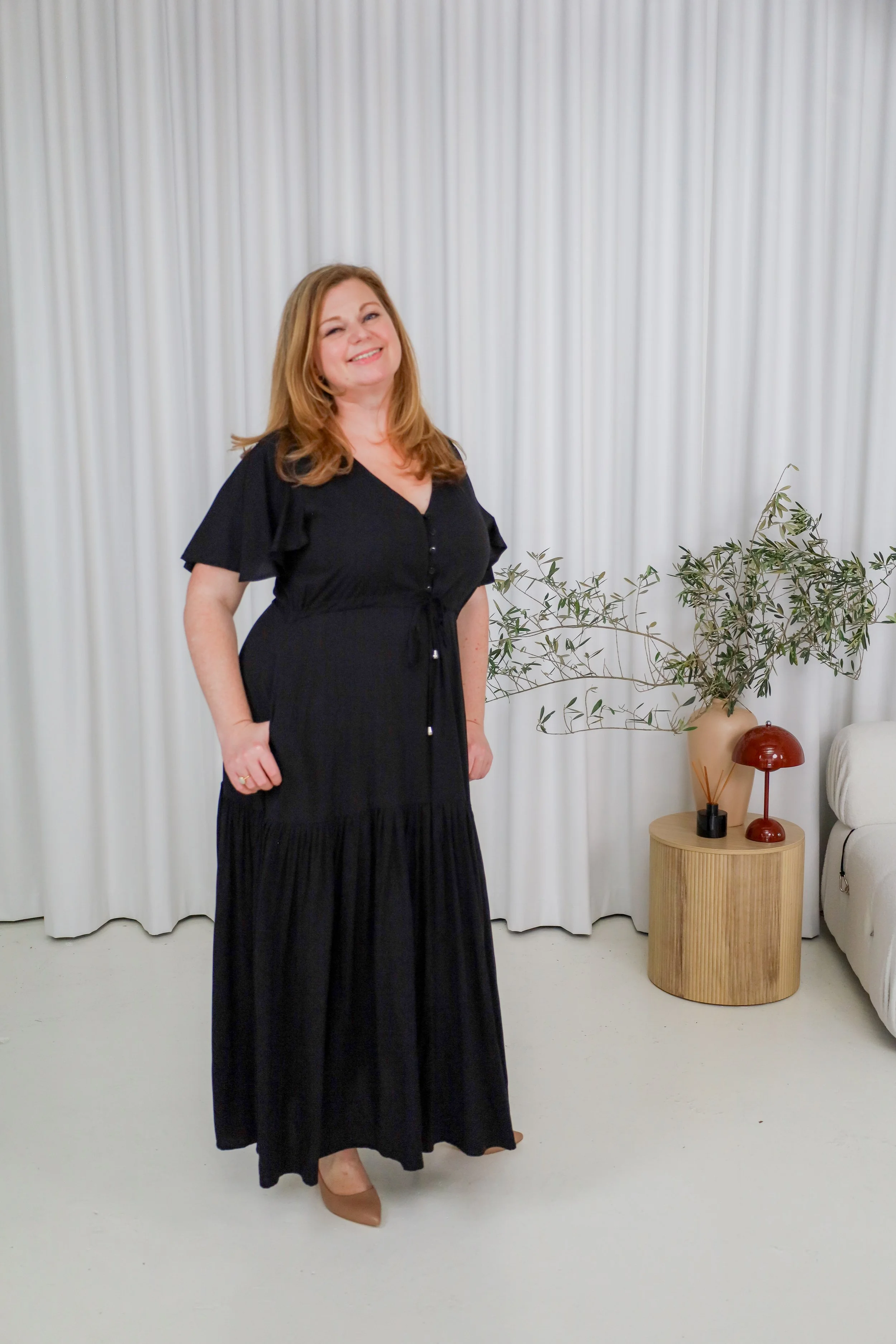
Chrissy Elle works with female business owners and leaders whose responsibilities have outgrown the support around them.
Her work sits at the intersection of leadership, capacity, and operations, helping women think clearly, reduce pressure, and build businesses or roles that don’t rely on constant self-sacrifice.
She is also the Founder and CEO of Grow Advantage, an operations consultancy that supports implementation, delivery, and team structure when capacity is the real issue.
Leadership didn’t arrive neatly… it arrived all at once
Most women I work with didn’t set out to become leaders.
Leadership arrived because they built a business.
Because they were promoted.
Because they were capable, dependable, and kept being given more.
And suddenly, their role changed.
People depended on their decisions.
Their thinking became the bottleneck.
Team issues felt personal.
And work stopped ending when the workday did.
That moment, when responsibility quietly outgrows the support around it, is where my work lives.
-
Becoming a leader changes how you think, how you relate to people, and how your work fits into the rest of your life.
For many women, that shift happens without enough preparation, space, or structural support, while emotional labour, caregiving, and invisible responsibility continue in the background.
I don’t believe leadership should cost you your health, your identity, or your life.
Why this work matters to me
My relationship with leadership began long before I ran my own business.
I came up through recruitment, people projects, and large-scale delivery environments, where hiring, restructuring, onboarding, team design, and people decisions were constant.
My first major leadership role involved managing a direct team while overseeing a workforce of 700+.
What made the difference wasn’t that I “naturally” knew how to lead.
It was the leadership that was invested in.
I had
Strong people leaders around me.
Peers who were also leaders.
Real HR support.
And a culture that treated leadership as a skill to be developed, not something you were expected to magically know.
Because of that, I learned early that when you invest properly in people:
trust grows
teams tell you the truth
retention improves
leadership becomes lighter, not heavier
I’m deeply aware that many women never receive that level of support.
-
Much of my work exists because leadership systems were not built with women’s lives in mind.
Women in leadership often carry:
disproportionate emotional labour
caregiving responsibility
expectations to be endlessly accommodating
roles designed around uninterrupted availability
Add pregnancy, motherhood, health cycles, school calendars, or single parenting, and leadership becomes unsustainable if it’s treated as “just a job.”
I built my business during early motherhood, without family nearby, and through significant personal upheaval.
There was no version of leadership where I could do everything alone, or pretend that life stayed neatly outside my work.
That experience shaped how I think about leadership, growth, and what women actually need to sustain both.
What I do (and what I don’t)
I’m a founder, operator, and strategic advisor.
That means:
I don’t coach from hype or theory
I don’t sit outside the work offering abstract advice
I don’t avoid hard decisions
I work inside real complexity, helping women:
think clearly under pressure
reduce the leadership load they’re carrying
make difficult people and business decisions calmly
design teams, roles, and support that don’t collapse without them
I love leadership. I love working with business owners.
I don’t believe it’s something to escape.
When leadership is done well, it creates freedom, not burnout.
-
The Energy Equation is the framework behind my work.
It explores the relationship between:
Rhythm — how you naturally work best
Season — what your body, brain, and life can hold right now
Lifestyle Load — the invisible pressure you’re carrying beyond the work itself
Because when those things are ignored, leadership gets heavier than it needs to be.
This is the lens I use to help women make smarter decisions about support, structure, and the way their business or role is designed.
-
My perspective is shaped by hands-on experience across recruitment, large-scale delivery, contractor workforces, government systems, and founder-led businesses.
organisational structure
capacity planning
role design
succession thinking
leadership accountability
That’s why my work often goes deeper than looking at one problem at a time.
It’s usually a structure or business architecture problem first. -
This work isn’t therapy, and it isn’t soft.
But it does acknowledge that leadership doesn’t happen in a vacuum.
People come to me in seasons where personal capacity is reduced, life pressure is high, or circumstances have shifted faster than their role has adapted.
Sometimes leadership growth looks like acceleration.
Sometimes it looks like stabilising or simplifying.Both are valid.
Pretending otherwise is often what breaks people.
When clarity isn’t the problem, capacity is
I’m also the Founder and CEO of Grow Advantage, an operations consultancy supporting founders and organisations with implementation, delivery, and team structure.
Some people work with me purely for leadership clarity.
Others realise the issue isn’t clarity, it’s capacity.
When implementation support is needed, Grow Advantage steps in.
When it’s not, it doesn’t get forced.
If you’re here thinking, this explains exactly where I am
You are not failing.
You are likely carrying a level of responsibility your current support, structure, or business model was never designed to hold.
That’s the work.